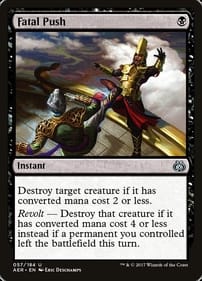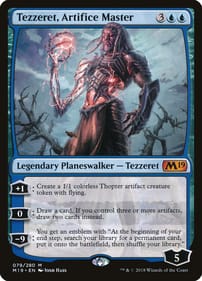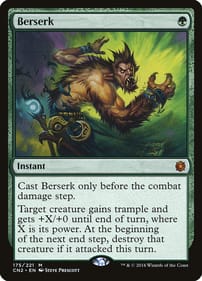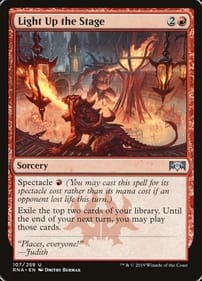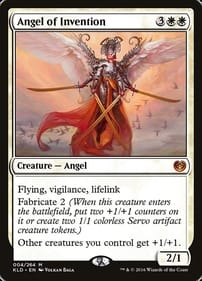

Magic: The Gathering, often referred to as MTG, is not just a card game; it's a phenomenon that has enchanted millions of players across the globe.
As we delve into the captivating history of this iconic collectible card game, you'll uncover the magical beginnings, the enduring enchantment, and why it continues to be a spellbinding experience for gamers of all ages.
So enough with the intros, let’s get right into it!

The Birth of Magic: A Gathering of Minds
In the early 1990s, a brilliant mathematician and a passionate role-playing game enthusiast, Richard Garfield, set out on an adventure to create a game that would combine strategic thinking and storytelling.
His brainchild, Magic: The Gathering, made its debut in 1993. It was published by Wizards of the Coast, a company that would soon become synonymous with the world of collectible card games.

The First Sets: Alpha, Beta, and Beyond
The first-ever set, known as Alpha, consisted of just over 300 cards and was released as a limited print run.
Shortly afterward, the Beta set was introduced, providing a broader audience with access to the game.
These early sets featured now-iconic cards like the Black Lotus and the Moxes, which have become incredibly rare and sought after by collectors.
Summoning an Enthusiastic Response
From its inception, Magic garnered a passionate following. Players were drawn to its unique combination of strategy and storytelling.
The game's allure was so profound that the limited availability of Alpha and Beta sets led to a soaring demand for trading cards, skyrocketing prices, and the inception of a vibrant secondary market.
The Expansion Beyond Borders
MTG didn't remain confined to its birthplace in the United States. It spread like wildfire, reaching international shores.
The game quickly developed a global appeal, transcending language barriers and becoming a common language for fans across the world.
Tournaments, events, and a sense of camaraderie brought together players from diverse cultures.
Staying Enchanting: Adaptation and Evolution
One of the reasons for MTG's continued relevance is its ability to evolve.
Wizards of the Coast has consistently released new expansions and sets, keeping the game fresh and exciting.
The introduction of various formats, including Standard, Modern, and Commander, ensures that there's a way to play for everyone.
The Spell of Worldwide Appeal
The game's appeal is not limited by borders. With localization efforts, MTG has been made available in numerous languages, allowing players from different regions to enjoy the game in their native tongue.
Whether in the bustling streets of Tokyo or the quiet corners of European cafes, Magic has found a home everywhere.
Notable Moments in the History of MTG
The Pro Tour: The introduction of the Pro Tour in the mid-'90s marked a turning point, as competitive play at the highest level gained recognition and attracted top players.
The Reserved List Controversy: Wizards' decision to create a reserved list of cards that would never be reprinted sparked debates among collectors, investors, and players.
The Rise of Competitive Magic: The emergence of esports has led to Magic becoming a popular competitive game with substantial prizes and worldwide recognition.
Crossovers with Other Universes: The Universes Beyond project has seen MTG cross paths with beloved pop culture franchises, including Lord of the Rings and Dungeons & Dragons.
Arena and Digital Evolution: The launch of MTG Arena brought the game into the digital age, offering a seamless and accessible way to play online.
Why We Still Gather to Play Magic
MTG isn't just about the cards; it's about the camaraderie and the sense of adventure. Whether you're a Planeswalker battling for supremacy or a collector seeking rare treasures, there's something in the game for everyone.
Magic's enduring charm is a testament to its ability to cater to a diverse audience.
It continues to bring people together, ignite imaginations, and provide countless hours of fun. Whether you're a seasoned veteran or a newcomer, Magic: The Gathering is more than just a game; it's a magical experience.