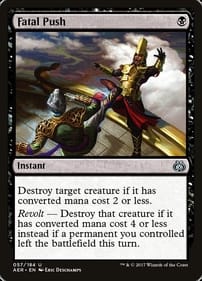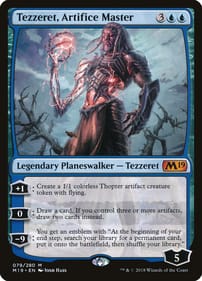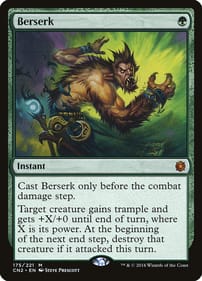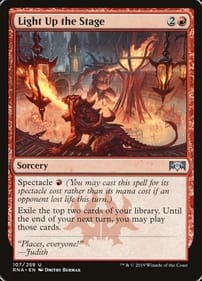

So, you've dipped your toes into the enchanting world of Magic: The Gathering and are eager to create your first deck. Building your own deck can be an exhilarating journey that sparks your creativity and strategic thinking.

As a newcomer, it's natural to feel overwhelmed with the thousands of cards available. But worry not; we're here to guide you through the basics of deck building in a simple, light-hearted tone.
1. Know Your Goal
Before diving into your card collection, have a clear objective in mind. What kind of deck do you want to build? Are you aiming for a fierce, aggressive deck that overwhelms your opponent quickly, or do you prefer a more defensive strategy that keeps you in the game for the long haul? Knowing your goal is like setting your deck-building compass in the right direction.
2. Start Simple
As a new player, it's best to begin with a simple strategy. Mono-colored decks are your best friend in this journey. They require less complex mana management and make it easier to understand the basics of deck synergy. Later, you can venture into multi-colored decks once you're more comfortable.
3. The Power of 60
A typical deck contains 60 cards. Stick to this number. While it may be tempting to add more cards, especially when you have so many exciting options, keeping to 60 ensures that your deck remains consistent and focused.
4. The Land of Mana
Mana is the lifeblood of your deck. It's what allows you to cast your spells and summon your creatures. Make sure you have enough land cards in your deck to ensure a steady flow of mana. A general rule of thumb is to have around 24 lands in a 60-card deck.
5. Curves and Numbers
Imagine your mana costs on a curve, with low-cost spells at the bottom and high-cost spells at the top. Ideally, you want a bell curve, meaning you should have more low-cost cards and fewer high-cost ones. This ensures that you can play cards in the early game and work your way up to the heavy hitters.
6. Synergy Is Key
Creating a deck isn't just about throwing in your favorite cards; it's about synergy. Look for cards that complement each other.
For example, if you have creatures with flying, include spells that boost their flying abilities or take advantage of your opponent's inability to block flying creatures.
7. Card Advantage
In Magic, card advantage is gold. Having more cards than your opponent gives you more options and increases your chances of success. Cards that allow you to draw additional cards or have reusable abilities can give you a significant edge.
8. Playtest, Playtest, Playtest
Don't be disheartened if your first deck doesn't perform like a pro's. Deck building is an evolving process. Playtest your deck against different opponents and other decks. This will help you understand its strengths and weaknesses and refine your strategy.
9. Seek Advice
The Magic community is vast, and many experienced players are more than willing to offer guidance. Don't hesitate to ask for help or look for deck ideas online. Learning from others is a fantastic way to improve your deck-building skills.
10. Have Fun!
Remember, Magic: The Gathering is a game, and the primary goal is to have fun. Whether you win or lose, each game is a chance to learn, grow, and enjoy the intricate world of Magic.